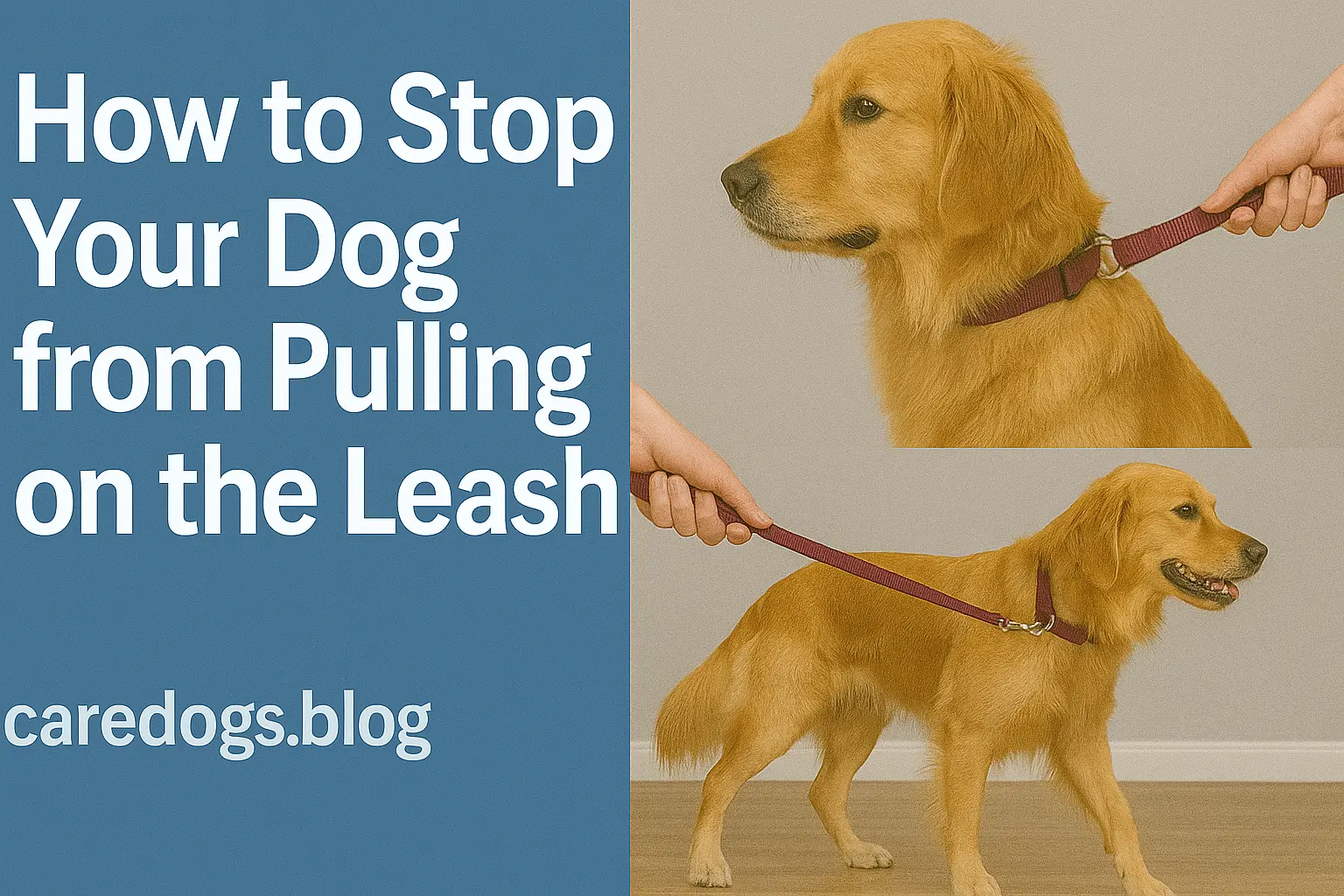
How to Stop Your Dog from Pulling on the Leash
Walking your dog should be an enjoyable bonding time, not a tug-of-war. If your dog pulls you down the sidewalk, zigzags back and forth in both directions, or lunges at every stimulus, you’re not alone. Leash pulling is one of the most common frustrations for dog owners—but the good news is that it can be fixed using the proper techniques, patience, and consistency.
In this guide, we’ll tell you why dogs pull, how to train them to walk politely on a leash, and practical tips that you can start applying today to make your walks serene, enjoyable ones.
Why Do Dogs Pull on the Leash?
It’s useful to understand why this happens before we solve it. Dogs don’t pull because of ill will-they pull because:
- Curiosity and enthusiasm: Dogs are natural curiosity seekers. Anything that smells, makes a noise, or moves might cause them to lunge forward.
- Instinctual pace normal difference: A dog will walk more normal than we do, and pulling is an instinctual effort to move at their own pace.
- Reinforcement: As you let your dog pull and follow along, they learn that pulling will lead them to where they want to go—be it to the tree, to another dog, or after a squirrel.
- Lack of training: Because most dogs are not taught good leash manners, they’ll simply fall back into pulling.
What you need to do is show your dog that being close to you is better than barreling ahead.
Choosing the Correct Equipment
The equipment you choose can play a large part in educating leash manners. No equipment is a magic bullet, but the correct choice can give you more control and support training.
Standard Flat Collar
Best suited for already politely walking well-behaved dogs. For pullers, especially heavy pullers, collars strain the neck and result in injury.
Harnesses
- Front-clip harness: Directs your dog’s movement toward you when pulling. Excellent for training.
- Back-clip harness: More comfortable but likely to encourage pulling since it does not guide forward movement.
Head Halters
These go over your dog’s muzzle and give you more control, especially with large or strong dogs. They do have to be introduced slowly, though, to avoid discomfort.
???? Internal Linking Proposal: If you have the article “Top 10 Dog Training Tools Every Owner Should Have,” in a harness section, you might link to it.
Training Techniques to Prevent Leash Pulling
Loose-leash walking takes time, but persistence will pay off. Here are tested-and-proven techniques:
1. The Stop-and-Go Technique
One of the simplest and most effective techniques.
- Start walking with your dog on a leash.
- As soon as they begin pulling in front of you, freeze solid.
- Wait for the leash to relax (they look back at you, come closer, or stop pulling).
- Keeps goings.
Your dog quickly realizes that pulling isn’t taking them anywhere—literally.
2. Change Direction Frequently
Pulling dogs are often obsessed with what’s ahead. By changing direction:
- Go a few steps ahead, turn left, right, or even back.
- Call your dog to come with you in a friendly voice and maybe a treat.
This maintains your dog engaged and reminds them that going ahead is to remain with you.
3. Reward Calm Walking
Positive reinforcement is key. Bring little, high-value treats with you:
- Reward your dog when the leash is relaxed and they are walking by your side.
- Reward and praise frequently first, and subsequently reduce rewards as the behavior becomes automatic.
Timing is everything: reward only when they’re in position, not when they’re pulling.
4. Use “Heel” or “Let’s Go” Cues
Requesting your dog to learn a cue like “heel” or “let’s go” brings order to your walks.
- Start in a quiet area.
- Put a treat at your side and ask your dog to walk with you.
- Say the verbal cue every time.
- Remove treats gradually over time but still reward randomly for good behavior.
5. Practice in Low-Distraction Zones
If you practice solely on busy streets filled with people, other dogs, and smells, your dog will not have a chance to focus.
- Begin leash training in your back yard, driveway, or quiet park.
- Once your dog walks nicely there, transition slowly to more crowded spaces.
- Increase distractions slowly so your dog grows confident and trustworthy.
Common Mistakes to Avoid
Curing a pull will take time, but not making these mistakes will make it worthwhile:
- Employing punishment tools: Choke collars or prong collars will stop pulling in the short run but hurt your dog physically and psychologically.
- Being inconsistent: If you sometimes allow pulling and other times not, your dog will be unclear about the rules.
- Leaving out exercise: A restless, under-exercised dog will have more energy to burn and will pull harder.
- Too much too soon: Don’t anticipate your dog to walk beautifully on-leash in one night. Encourage small steps.
Maintaining Walks Fun Without Pulling
An organized walk doesn’t need to be dull. Your dog still needs to sniff and have their time on the sidewalk. This is how to combine structure with freedom:
Employ “Sniff Breaks”
Insert short interruptions where you let your dog sniff and explore. Use a cue likes go sniffs to signals these breaks. This avoids frustration and makes your dog more likely to walk quietly when needed.
Insert Training Games
- Make use of sit, stay, or down commands on the walk.
- Reward you attention instead of distractibility.
- Turn the walk into training in order to develop your bond.
???? Internals Linkings Suggestions Links to Best Indoors Games to Keeps Your Dogs Engaged to gives readers additionals ideas for enrichments.
Troubleshootings Stubborn Pullers
All dogs are stubborns at times. If progress is slow
- Increase rewards values Use higher values rewards such as chicken or cheese.
- Shortens walks Makes the sessions shorts but frequents to prevents frustrations.
- Check equipment fit: An ill-fitting harness or collar can be uncomfortable and lead to more pulling.
- Practice controls of impulses Practice issuings commands like wait and stay to teach patiences.
If pullings persists even after consistents trainings seeks the services of a professionals trainers specializings in positives reinforcements methods.
Special Considerations
Puppies
Foolish pups have short attention spans. Keeps sessions briefs funs and rewardings. Do not demand perfection too early.
Rescue Dogs
Doggy canines with little prior training may take longer to shed pulling habits. Be patient and consistent.
Larges Strongs Breeds
More dominant dogs may require further control aids like head halters or front-clip harnesses during training.
Leash Pulling FAQs
- How long does it take to break a dog of pulling on the leash?
Depends on the dog, but average training allows most owners to see improvement in weeks. - Must I allow my dog to pull at times?
No. Consistency is the key—if sometimes pulling is rewarded, it reinforces the behavior. - Are retractable leashes good for training?
No. Retractable leashes also teach pulling since they allow dogs to learn that pulling back provides more space. - My dog pulls only when they see other dogs—how can I help?
Train focus exercises and build distance from distractions until your dog calms down. - Is it too late to train an older dog not to pull?
No, not all. Any age dog can be trained to new behavior using persistence and patience.
Conclusion
Training your dog out of leash pulling is a labor of love, but the reward is well worth it. With the correct equipment, regular training techniques, and rewarding calm walking, you’ll turn bland walks into fun, stress-free adventures for yourself and your dog.
Don’t forget, leash manners not only make walking your dog simpler, but also keep him safe and draw you closer to him. Patience consistency and positivity will have you walkings alongs takings peacefuls strolls where you’re the leaders not trailings behinds.