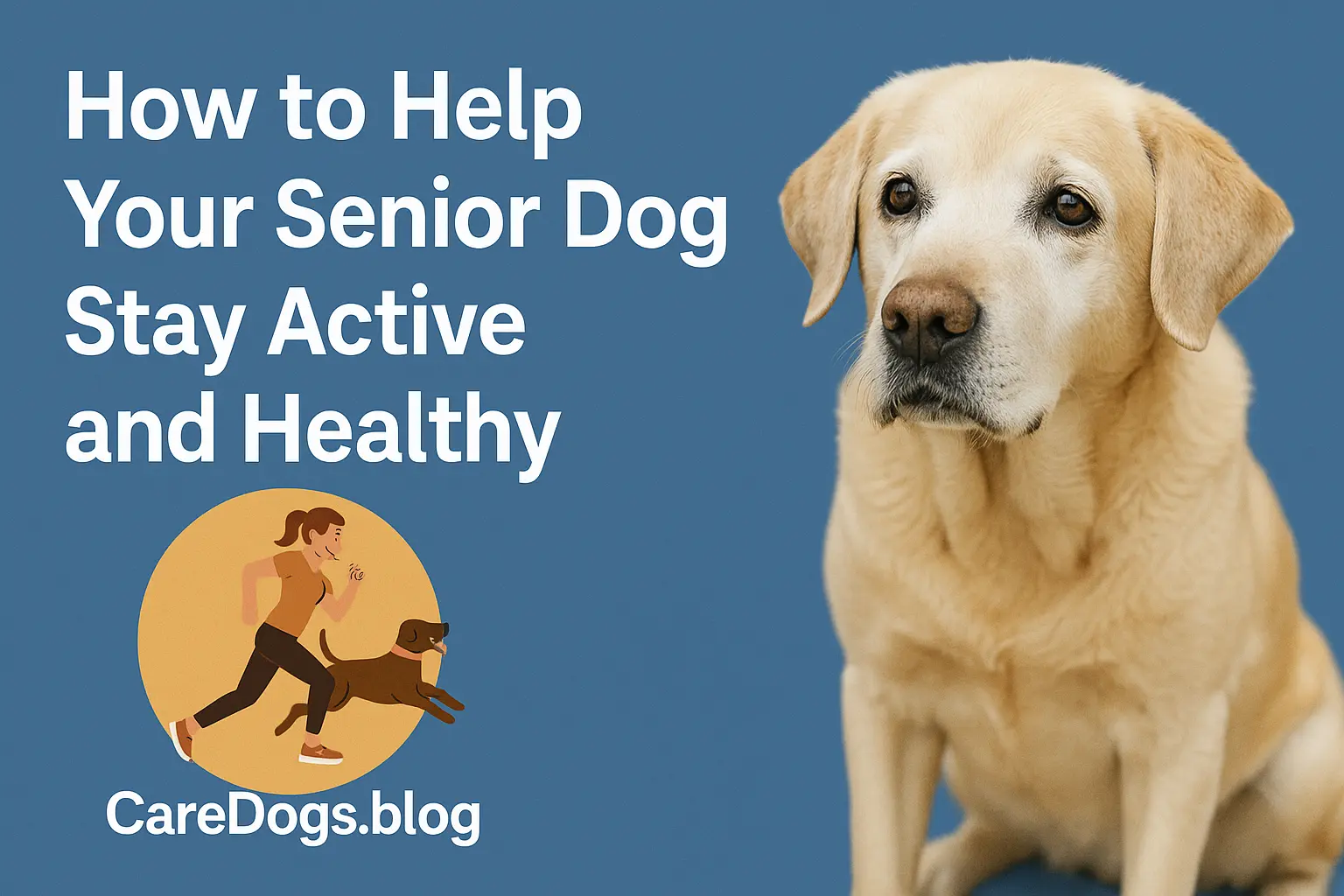
How to Help Your Senior Dog Stay Active and Healthy
When Is a Dog “Senior”?
Size and breed of dog determine when it’s old:
- Small breeds (< 20 lbs): About 9–10 years
- Medium breeds (20–50 lbs): About 7–9 years
- Large breeds (50–90 lbs): About 6–8 years
- Giant breeds (over 90 lbs): About 5–6 years
These are generalities, but a couple of dogs will age more quickly or more slowly than that. The typical signs are lessening activity, stiffness, graying of the hair, or reduced energy levels.
1. Adjusting Exercise to Older Dogs
Exercise is required at all points of a dog’s life, but older dogs require a balance of approach that keeps them active without exhausting them.
Gradual Daily Walks
A good low-impact activity for older dogs is walking. Shorten the walk and do it more frequently to avoid tiring them out. Grass is easier on their joints than hard pavement.
If the dog enjoys water, swimming is a great exercise that strengthens muscle without wearing out their joints. It is excellent for arthritic dogs.
Play at Their Pace
Play fetch or tug games, but in modified ways. Roll the ball short distances rather than throwing the ball long distances across the room, or have a light tug with no hard pulling.
???? Internal Linking Proposal: Link this segment to “10 Easy Exercises to Keep Your Dog Fit and Active” for additional exercise ideas.
2. Giving the Correct Nutrition
Diet has a big part in keeping older dogs healthy. Older dogs’ nutritional requirements change with age, at times needing fewer calories but more immune- and joint-supplying nutrients.
Select Senior-Formulated Dog Food
Senior food is often lower-calorie to avoid gaining weight and more fiber-rich to help the digestive system. Some include supplemental glucosamine, chondroitin, and omega-3 fatty acids to aid in joint health.
Keep a Healthy Weight
Excess weight adds additional stress to weary joints, leading to arthritis and stiffness. Discuss with your vet how to determine the perfect weight for your dog.
Supplement Wisely
Certain older dogs also use supplements such as fish oil (coat and joints), probiotics (digestion), or antioxidants (immune system).
3. Periodic Veterinary Checkups
These are necessary in order to catch problems early on. Older dogs must be visited by the vet every six months rather than once a year.
Screenings and Blood Work
Your doctor might suggest blood work, urinalysis, and X-rays to screen for conditions like kidney disease, diabetes, or arthritis.
Dental Care
Senior dogs become susceptible to dental disease and its effects on systemic health. Brush at home and clean frequently to have healthy teeth and gums.
Vaccinations and Preventatives
Senior dogs still need protection from fleas, ticks, heartworm, and core vaccinations. Talk with your veterinarian about what boosters you’ll need.
???? Internal Linking Suggestion: Direct this section to “Top 10 Dog Vaccines Every Owner Should Know” for more vaccine information.
4. Joint Care
Stiff joints and arthritis are the way of life for older dogs, but if you’re careful, your dog can stay healthy and spry.
Good Bedding
Orthopedic Dog Beds
Relieve stiff joints and ease stiffness after periods of rest. Cuddly warm beds also ease sore muscles.
Ramps and Stairs
Install ramps or pet stairs to enable the dog to get onto furniture or in and out of the car without straining.
Massage and Gentle Stretching
Massage enhances circulation and reduces stiffness, and gentle stretching maintains muscle flexibility.
5. Keeping Their Mind Sharp
Brainwork is as essential as exercise for older dogs. Brainwork avoids boredom and mental decline.
Puzzle Toys
Mind-stimulating problem-solving toys that dispense treats challenge their mind.
Scent Games
Hide food treats all over the house and allow your dog to seek them out. This takes advantage of their hunting nature.
New Tricks
Older dogs can even learn new tricks! Learning new simple commands keeps them stimulated and strengthens your relationship.
???? Internal Linking Tip: Include a link to “Best Indoor Games to Keep Your Dog Engaged” for additional ideas to further enhance.
6. Developing a Home Comfort Environment
With an older dog, they might require a bit of a nudge in adjusting to daily life. Small changes make a big impact.
- Have foods and water dishes close at hands.
- Puts non slips mats on slippery surfaces to avoids slippings and fallings.
- Makes their sleepings quarters quiets warms and drafts free.
- Raise dogs food dishes for dogs with neck or arthritic joints discomforts.
7. Beings Attentives to Changes in Behaviors
Monitors your olders dog’s behaviors. They may be the firsts indicators of illness.
- Binging drinking: Potential kidney disease or diabetes
- Stiffness standing or rising: Arthritis or joint disease
- Change in appetite: Gastrointestinal disease or dental pain
- Restlessness or disorientation: Symptoms of canine cognitive dysfunction (dog dementia)
Early diagnosis generally means better treatment.
8. Encouragings Social Contacts
Older dogs stills requires social contact sand attentions. Loneliness can lead to stress, anxiety, or depression.
- Provide social interaction with known pets and visitors.
- Organize playdates with relaxed, even-dispositioned dogs.
- Engage in quality one on one interactions with special cuddlings groomings and play.
9. Groomings for Well Beings and Healths
Groomings on a regulars basis is not about appearances it’s about healths.
- Brushings Maintains coats cleans and mats from formings.
- Bathings Gentles shampoos needs to be used to prevents irritatings sensitives skin.
- Nails trimmings Slouched positionings and mobility can be caused by longs nails.
- Ear cleanings Prevents infections particularly in floppy eared breeds.
10. Stress and Anxiety Managements
Certains older dogs grow more anxious with ages because of a worsenings of senses or mentals faculties.
- Stick to a diets walks and sleeps routines.
- Utilize calmings aids like pheromone diffusers or anxiety wraps if necessarys.
- Create a quiet, safe area where your older dog can rest.
FAQs About Older Dog Care
1. How much exercise for an older dog?
Most older dogs can manage two or three short walks a day and no play but not overdo it.
2. Does an older dog require special food?
Yes, older foods are designed with fewer calories, more fiber, and joint-supporting nutrients.
3. Can an older dog learn new tricks?
Yes certainly! Mental stimulation is reward enough anytime in life.
4. How often should I have my older dog seen at the vet?
Every six months, with regular testing.
5. What is the average life span of an older dog?
Depends on breed and size. Small dogs live into their teens, giant dogs may live 8–10 years.
Conclusion
It takes patience, love, and some adjustment in your lifestyle to care for an older dog, but the payoff is well worth it. Prioritizing exercise, diet, vet care, mental stimulation, and comfort will keep your dog comfortable and content as he ages.
Your loyal dog has enriched your life with a decade of happiness and love. Now it’s your turn to provide their golden years with ease, mobility, and lots of wagging tails.