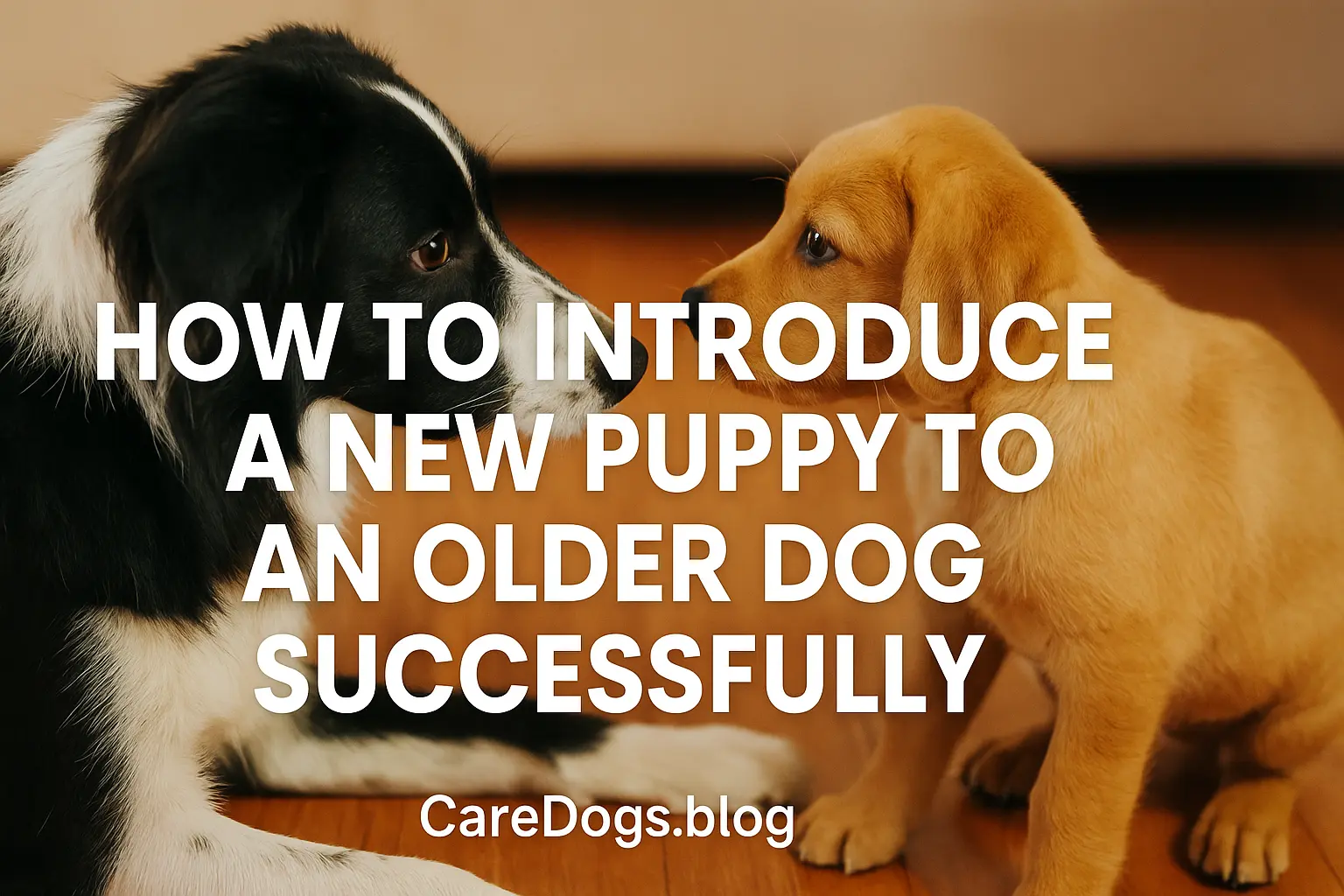
How to Introduce a New Puppy to an Older Dog Successfully
It’s great to welcome a new puppy back home, but if you already own an older dog, it might be a bit challenging. While puppies are full of energy, playful, and curious, older dogs might crave peace, quietness, and predictability. The good news? If you’re getting it right, you can build a strong relationship between both pets and get them living together in harmony.
This book will take you through step-by-step instructions, professional advice, and things to avoid when you are bringing a new puppy to your older dog’s home.
Why a Smooth Introduction Matters
Dogs live and prosper on routine and familiarity. Sudden presence of a puppy in your older dog’s territory can induce stress, jealousy, or aggression. Conflict-free introduction paves the way for a harmonious relationship.
- Senior dogs require respect for their limits.
- Puppies need to learn good behavior early.
- Slow introduction promotes confidence and harmony.
Through being deliberate and proceeding slowly, you can enable your mature dog to meet the puppy with no stress and provide the puppy with the authority to respect its new companion.
Preparing Before the Initial Meeting
Prior to bringing your puppy into your house, some preparation is advantageous.
1. Puppy-Proof Your Home
Puppy-proof your home. Design sleeping areas, eating areas, and play areas separate for each so one is not smothered.
2. Stock Up
- Additional food and water bowls
- Dog beds that can be split
- Removeable baby playthings (chew-resistant)
- Playpens or baby gates to allow staged introductions
???? Internal Linking Proposal: Connect this section to “How to Prevent Your Dog from Chewing Shoes and Furniture” to help puppy owners deal with chewing.
3. Stick to Your Older Dog’s Schedule
It is safer for older dogs when their routine is not altered. Keep the same times for resting, walking, and eating. This prevents your older dog from being replaced by the new addition.
Step-By Steps Guides to Introducing a Puppys to an Older Dogs
Step 1: Neutrals Territorys First
Have the initiasl meetings outsides of your house somewhere likes a backyard or parks. Neutrals locations stop your older dogs from gettings territorial.
- Keep the two dogs leashed.
- Have them sniff at a distance.
- Observe relaxed body language (wagging tail, loose body).
Step 2: Shorts and Positives Meetings
Brings them togethers for a short times then aparts. Rewards calms behaviors with praise or treats rewards. Repeats severals times untils both feels comfortables.
Step 3: Gradual Home Introduction
After they have greeted in a neutral area, take the puppy home. Leave the puppy leashed indoors for the first few sessions. Let your older dog approach on their own terms.
Step 4: Zone Separation
Designate each dog to have their own comfort zone. For instance:
- Puppy: playpen or crate to relax and sleep
- Older dog: quiet sanctuary with bed and toys
This avoids overstimulation and allows both dogs room to relax.
Step 5: Playtime Under Supervision
Encourage brief play periods but watch closely. Puppies have seemingly unlimited energy, but older dogs can overexert themselves. Cut it short if the play is getting too intense or your older dog is getting frazzled.
Reading Dog Body Language
It’s important to be able to identify your dogs’ body language.
- Positive signs: floppy ears, wagging tails, play bows
- Warning signs: growling, lip curl, rigid posture
- Stress signals: yawning, over-licking, turning away
If either of the dogs show signs of stress or unease, go quietly and remove them from each other and repeat later.
???? Internal Linking Suggestion: Internal link to “How to Recognize Signs of Stress in Dogs” for readers who wish to know more about reading signs of stress in dogs.
Training and Boundaries
Teach the Puppy Manners
Puppies don’t instinctively know how to behave well toward older dogs. Teach them to obey simple commands such as sit, stay, and leave it. Redirect nipping or jumping onto toys.
Support Your Older Dog
Don’t reprimand your older dog if he growls at the puppy—it’s probably a means of establishing boundaries. Reward calm contact to reinforce good behavior instead.
Mistakes to Avoid
- Hastening the process – Dogs take time to acclimate. Forcing things can result in fights.
- Neglecting your senior dog – Always address your older pup to avoid jealousy.
- Leavings them unsupervised too soon Early on monitors interactions untils you’re confidents they get alongs.
- Punishings growlings Growlings is communications not bad behaviors. It teaches puppies to respect limits.
Helpings Them Bonds Long Term
Shareds Activities
Take them on walks togethers. Side by side walkings creates a feelings of partnerships and reduces tensions.
Playtimes with Rules
Monitors plays sessions togethers but establish limits. Provides toys to shares such as tugs ropes or balls but watch for resource guardings.
Feeding Separately
Feed them in separate bowls and rooms at all times. Food is a source of tension, particularly if your older dog is resource guarding.
Respect Individual Needs
Keep in mind that your older dog needs more time to rest, while your puppy needs more time to play. Balance both by alternating.
???? Internal Linking Suggestion: Link this paragraph to “Best Indoor Games to Keep Your Dog Engaged” for puppy play ideas.
Signs of Successful Introduction
You know the introduction was a success if you notice:
- Both dogs calm down in the same room.
- They are curious but not rigid.
- Play is playful but not violent.
- The older dog establishes boundaries but not aggressively.
With time, most dogs become best friends—napping, playing, and even grooming each other.
FAQs on Introducing a Puppy to an Old Dog
- How long before a dog will accept a new puppy?
Depending on the animal, it may take weeks or months, but some take just days. Be patient. - Do I let my old dog correct the puppy?
Yes, as long as the correction is not aggressive. Growling and snapping are normally normal boundary setting. - Can two dogs sleep in the same bed?
Eventually, yes—but provide them with individual beds first to avoid fighting. - What if my olders dogs seems depressed?
Spends extras one on one times with them. Remind them they are still loved and valued. - Is crate training the puppy beneficial?
Yes. It provides structure and gives your older dog a break from constant puppy activity.
Conclusion
A.A newer puppy is introduced to an older dog successfully by planning, supervision, and patience. A home-prepared environment, starting the introductions in neutral areas, and respect for the individual needs of each dog can help lay the groundwork for a lifelong bond.
Remember—your puppy looks up to your older dog for an example, and your older dog looks up to you for reassurance. With loves structures and consistency boths pets can lives in harmony with each others bringings joys companionships and double the tails wags to your homes.