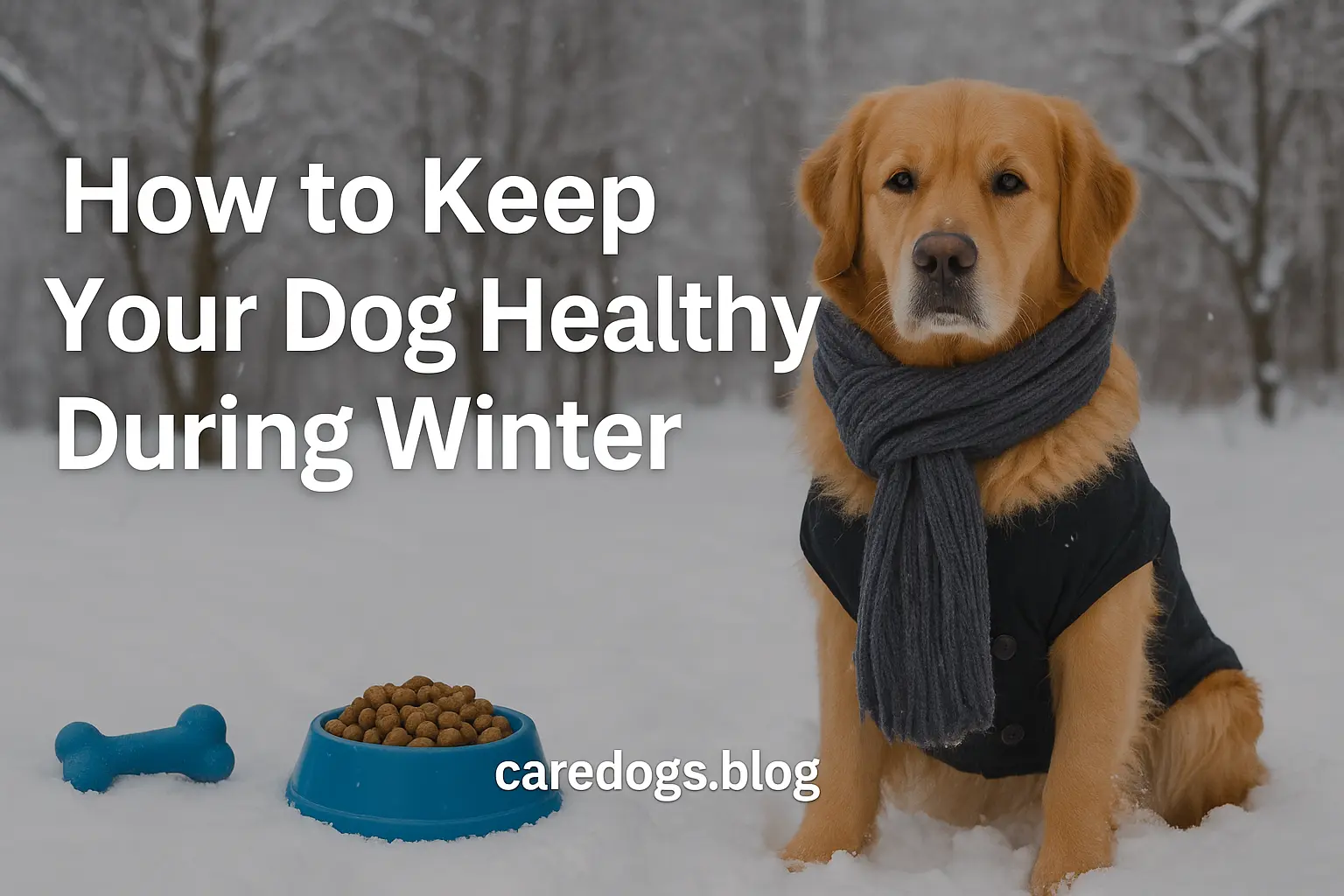
How to Keep Your Dog Healthy During Winter
Winter means warm nights, hot tea, and cold mornings. But while we’re all snuggling up under blankets and sweaters, our dogs have special challenges when the temperatures drop. Cold impacts your dog’s comfort, health, and even demeanor. From cracked paw pads to fewer exercise opportunities, winter can be dangerous, and you can’t afford not to know.
The good news? You can keep your dog healthy, safe, and happy throughout the year with the right plan. From nutrition to grooming to outdoor safety, exercise substitutes, and common winter health threats, it’s covered here.
Why Winter Care Matters for Dogs
Dogs are less hardy for winter than most people imagine. Some of them (such as Huskies and Saint Bernards) love the snow, but others (such as Greyhounds or Chihuahuas) hate the cold.
Top issues dogs encounter during winter:
- Cold stress and hypothermia
- Paw trauma from ice, salt, and rough ground
- Dry skin from low humidity
- Decreased activity resulting in weight gain
- Improved immunity due to stress and inactivity
???? Your job is to find comfort and activity in balance, making minor changes to lifestyle to maintain your pet in its prime.
Winter Diet: Feeding Your Dog Propperly
1. Adjust Caloric Intake
Cold weather uses up extra energy. Outdoor dogs might require more calories, while indoor dogs who exercise less might require less. Watch for weight and adjust portions in turn.
2. Highlight Protein and Health Fats
Protein creates muscle, and fat supplies energy and body warmth. Select high-quality dog food where real meat is the primary ingredient.
3. Maintain Hydration Under Control
Dogs actually consume less water in winter, but hydration remains as necessary in winter as well. Keep unfrozen fresh water available at all times.
???? Suggestion for Internal Linking: Internal link to “Best Dog Food Brands Recommended by Veterinarians.”
Keeping Your Dog Safe Outside in Winter
4. Limit Time in Extreme Cold
Shorter, more-frequent walks are preferable to long ones when the weather is actually cold. Small, short-coated dogs enjoy sweaters or coats.
5. Keep Your Dog’s Paws Healthy
Ice, snow, and de-icing chemicals damage paw pads. Put dog-safe balms on departure and wash paws on return to remove chemicals. Booties are another guard.
6. Be Aware of Frostbite and Hypothermia
Symptoms of frostbite are pale color, swelling, and sensitivity. Symptoms of hypothermia are shivering, lethargy, and weakness. Have your dog examined by a veterinarian immediately if you observe these symptoms.
Indoors Comforts and Safety
7. Provides a Comfortables Place to Sleeps
Place the dog’s beds off the floors and away from drafts. Blankets or self warmings pads are goods.
8. Exercise Caution with Heaters and Fireplaces
Dogs love heat, but open flames or direct heat can lead to accidents or burns. Position guards or barriers near heaters and open flames.
9. Maintain Routine
Less daylight during winter, and dogs love routine. Adhere to regular feeding and walking times to keep worry and tension at bay.
Winter Grooming Tips
10. Don’t Over-Bathe Your Dog
Regular bathing makes natural oils dry and causes dry, itchy skin. Bathes less in winter and use moisturizings shampoos.
11. Brush Frequently
Brushing untangles and redistributes natural oils, which make a coat healthy. A clean coat also insulates better.
12. Keep Fur at a Reasonable Length
Do not shave your dog to the skin during winter. A little extra coat keeps warm well, but trim away excess hair around paws to avoid ice accumulation.
???? Internal linking suggestion: Link to “How to Groom Your Dog at Home Like a Professional.”
Preventings Winter Blues in Dogs
13. Shorts Outdoors Play Sessions
Snow plays backyard fetchs or brisk walks keeps energy up without long sexposures to colds.
14. Indoor Alternatives to Exercise
Practice indoor fetch, tug-of-war, or going up stairs. Puzzle toys and food-dispensing toys offer physical and mental stimulation.
15. Indoor Training Classes
Winter is also the ideal season to reinforce obedience skills or experiment with new sports such as agility or scent work in the comfort of your own home.
???? Internal Linking Suggestion: Link this with “10 Easy Exercises to Keep Your Dog Fit and Active.”
Common Winter Illnesses in Dogs
Dry Skin and Dandruff
Dry, cold air is usually responsible for itchy skin. Humidifiers and omega-3 supplements may prevent the skin from drying out.
Arthritis and Joint Pain
Cold weather will exacerbate stiffness in older canines. Warm bedding, low-impact exercise, and joint supplements all are helpful.
Toxic Winter Hazards
Antifreeze is very toxic to canines and even tiny ingestions are fatal. Store it tightly sealed and clean up spills promptly.
Warning Signs That Your Dog Is Struggling in Winter
Be aware of these warning signals your dog is not coping with the cold:
- Refusal to go outside
- Shivering or whining on walks
- Over-paw licking or chewing
- Loss of energy or appetite
- Limping or stiffness
If you notice recurring symptoms, speak to your vet.
FAQs for Winter Dog Care
- Do all dogs need to wear sweaters in winter?
No, they don’t. Some very heavily coated breeds won’t, but short-haired, tiny dogs, or older dogs will appreciate additional warmth. - How long do dogs stay outside when it is cold?
This will depend on the breed and coat. For most, 10–15 minute walks are best when it is extremely cold. - Can a dog catch a cold from cold?
Yes. Prolonged exposure to cold can lead to hypothermia, frostbite, and impaired immunity. - How can I care for my dog’s paws in winter?
Apply dog balms, wear booties, and wash paws after chemical and salt exposure. - Do I have to change my dog’s food in winter?
Some will require more calories if exercised outside, and less active dogs will require less. Weight should be under constant surveillance at all times and a vet should be consulted prior to making extreme alterations.
Conclusion
Winter can be wonderful for you and your dog, but it has its issues that need some special care. With nutrition adjustment, paws maintenance, smart grooming, and exercising indoors, you’ll be able to keep your dog healthy and content during the whole winter.
Keep in mind: a bit of preventative maintenance today will result in fewer medical issues down the road. Your dog will enjoy winter just as much as you do—warm, dry, and happy—if taken proper care of.