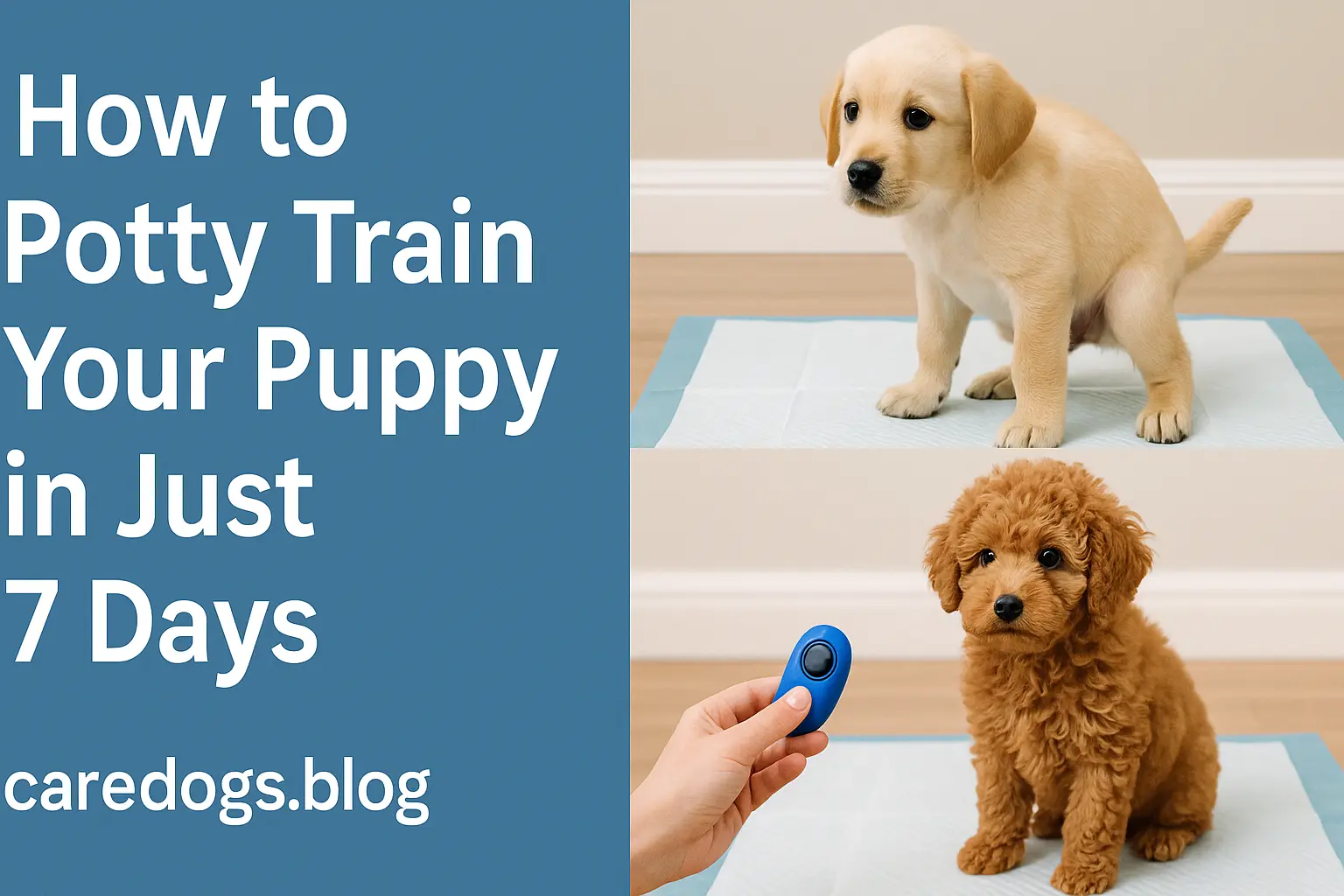
How to Potty Train Your Puppy in Just 7 Days
Train Your Puppy Coming home to a new puppy is thrilling—yeah, but let’s not kid ourselves, it can get crazy too. One of the earliest hurdles new pet parents experience is housebreaking. Without a plan, accidents in the house are a given.Train Your Puppy But the good news is: with consistency, patience, and correct technique, you can potty train your puppy in 7 days.
Train Your Puppy In this guide, we’ll walk through a day-by-day plan to help your puppy learn where to go and how to build good habits that last a lifetime.
Why Train Your Puppy
Train Your Puppy Potty training isn’t just about keeping your floors clean—it’s about building trust and routine. A well-trained puppy is:
- Easier to live with
- More confident and secure
- Better adjusted for future training
Train Your Puppy Starting early helps your pup learn boundaries, reduces stress, and strengthens your bond.
What You’ll Need Before You Begin
Train Your Puppy Before you begin the 7-day plan, have these on hand:
- Playpen or crate – Gives containment and prevents accidents from occurring.
- Puppy pads – For night or apartment training.
- Leash and collar/harness – For potty breaks according to a routine schedule.
- Enzymatic cleaner – To eliminate odor from accidents.
- High-value treats – To reward success immediately.
The 7-Day Train Your Puppy Plan
Day 1: Establish a Routine
Train Your Puppy Dogs like habits. From day one, take your puppy outside:
- Early morning
- After meals
- After napping
- At bedtime
- Every 2–3 hours throughout the day
Tip: Pick a single potty area outside and take your puppy there every time. Scent recognition enables them to recognize it as where to do it.
Day 2: Start Crate Training
Train Your Puppy Crate training is an effective potty training aid. Puppies don’t like to soil their sleeping quarters, so a crate of the right size will make them “hold it.”
- Thay are crates must be larges enough for your puppys to stands and turn arounds in but no biggers.
- Take your puppy out as soon as they have been in the crate.
- Do not punish yours puppy by puttings them in the crates.
Day 3: Introduce a Feeding Schedule
Train Your Puppy What goes in on schedules comes out on schedules. Feeding your puppy at the same times every day makes potty breaks predictable.
- Avoid free-feeding.
- Offer meals at consistent times.
- Remove uneaten food after 20 minutes.
This helps regulate your puppy’s digestion and makes accidents less likely.
Day 4: Watch for Potty Signals
By Day 4, you’ll start noticing your puppy’s natural cues:
- Sniffing the floor
- Circling
- Whining or pacing
- Heading toward the door
When you notice these cues, gently take your puppy to their potty area immediately.
Internal Linking Suggestion: https://caredogs.blog/
Day 5: Reward Success Every Time
Positive reinforcement is the key. As soon as your puppy is entirely done going potty outside, reward them with:
- A reward
- Lots of good conversation
- A brief playtime session
Ensure the reward is given immediately upon them completing, so they associate what they do with the reward.
Day 6: Correct Accidents Properly
Train Your Puppy Despite how much you plan, accidents do occur. What you do in response is critical:
- Dont punish. Yellings and rubbings their face in it only instills fears.
- Intercepting gently. If you catchs them in the act say outsides and takes them to the potty areas.
- Clean well. Enzymatic cleaner will remove odors so they will not be tempted to come back there again.
Day 7: Reinforce Consistency
Train Your Puppy Your puppy should be improving now. Day 7 is reinforcing consistency:
- Hold to schedule.
- Continue crate training.
- Keep rewarding for potty visits outdoors.
- Gradually increase time between breaks as your puppy gets good at holding on.
Internal Linking Suggestion: Top 10 Guard Dog Breeds That Deter Intruders and Protect Families
Troubleshooting Common Potty Training Problems
Puppy Still Has Frequent Accidents
- Reassess your schedule—maybe you’re waiting too long between breaks.
- Ensure the crate isn’t too big.
Puppy Won’t Go Outside
- Stay calm and patient.
- Take them to the same spot every time.
- Reward them immediately after success.
Puppy Uses Puppy Pads Too Often
If you’re transitioning from pads to outdoor training:
- Gradually move pads closer to the door.
- Eventually place them just outside until your puppy adjusts.
Tips for Faster Results
- Stay patient: Puppies learn at different paces.
- Stay consistent: Everyone in the household should follow the same routine.
- Use verbal cues: Say “go potty” or another phrase each time, so your puppy associates the words with the action.
- Monitor progress Simply maintains a basics records of pottys times to discovers patterns.
-
14 Adorable Small White Dogs: Breeds That Make Great Companions
Potty Training Puppies FAQs
1. Can you actually potty train a puppy in 7 days?
Yes, with consistency it is possible for most puppies to learn the fundamentals in a week but final training takes longer.
2. How old do I have to begin potty training my puppy?
You can begin as young as 8 weeks old. Puppies do not have much bladder control, so the sooner they learn, the better.
3. How long will a puppy “hold it”?
A good rule of thumb is one hour per month of age. A 3 months old puppy for instance can holds it for approximately 3 hours.
4. Do I use puppy pads or do I go right to outdoor training?
Train outdoors if possible right from the beginning. Pads are useful for night or flat training but are slower.
5. My puppy is having accidents at night—what can I do?
Restrict water before bedtime, take them out prior to bedtime, and use an alarm for a midnight toilet if necessary.
6. What if potty training is not working after one week?
Don’t worry. Some pups are slow. Stick with the routine, adjust as needed, and be patient.
Conclusion
You may potty train your puppy in 7 days when you have a plan, if you stick to it, and when you reinforce. Completing the step-by-step tutorial—creating a routine, crate training, rewarding good behavior, and not punishing errors—it’ll take your pup to success.
Remember not to forget about persistence and patience. Even when the pace is agonizingly slow, with every step you’re bringing your puppy one step closer to being a happy, well-trained, and confident family member.