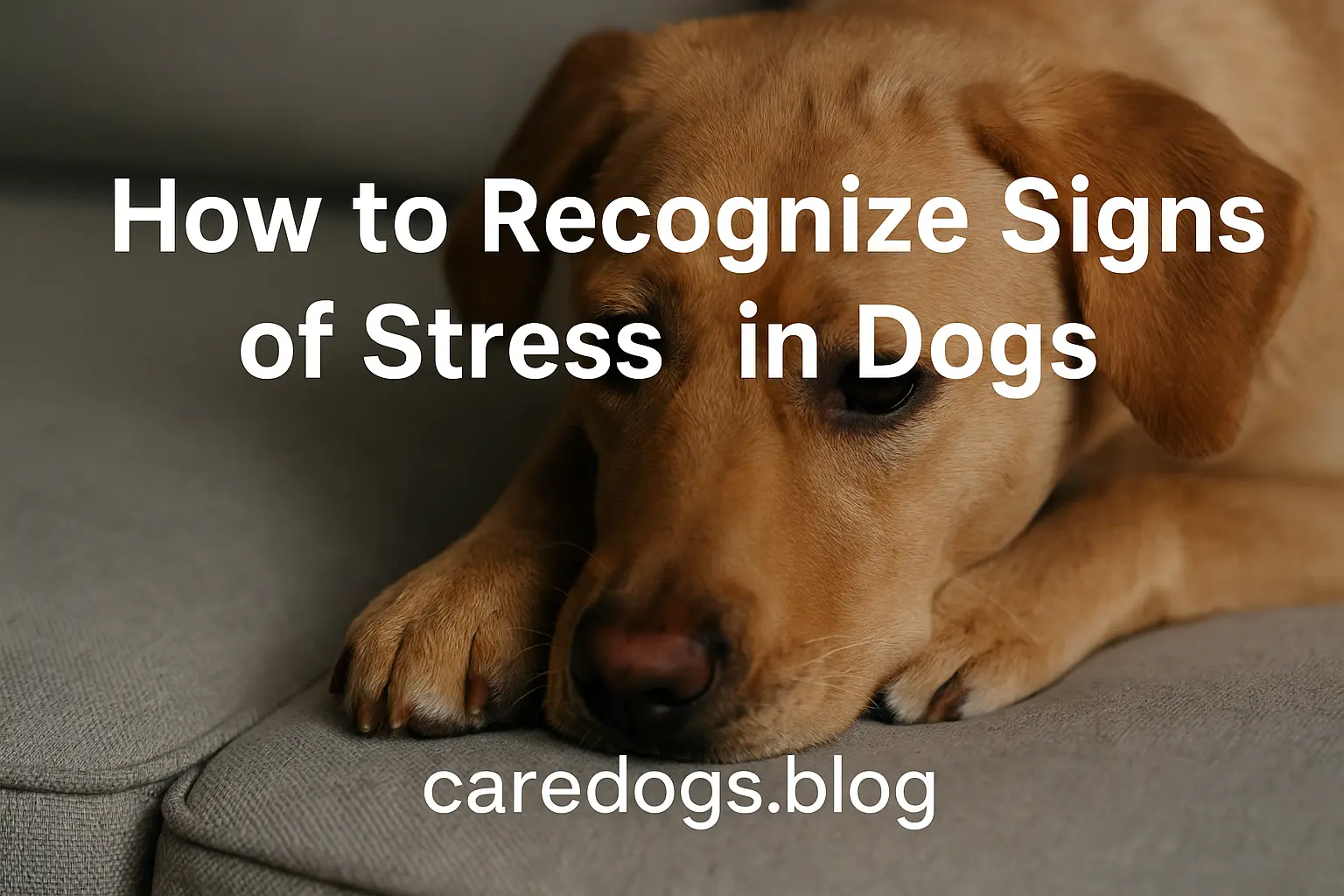
How to Recognize Signs of Stress in Dogs
Dogs do not hear our language but speak in body, behavior, and subtle cues. Just like humans, dogs become stressed; if neglected, they can ruin their health and well-being. It is crucial, as a dog owner, to recognize the signs of stress so your pet will feel comfortable, relaxed, and happy.
Here we’ll cover the most frequent signs of stress in dogs, why they’re occurring, and how you can assist.
Why Do Dogs Stress
Dogs become stressed because of any one of an infinite number of causes, from outside to sickness. Some of the most frequent culprits include:
- Noise noises (fireworks, thunderstorm, building)
- Environmental changes or new homes
- Being left home alone
- Strangers or other animals
- Not enough exercise or mental stimulation
- Underlying illness
As opposed to human beings, canines cannot talk and utter, “I’m stressed.” They express it more physically and behaviorally—if you pay attention to it.
Physical Signs of Canine Stress
Canines will most likely express stress in the form of a change in body or attitude. The following are some signs to watch out for:
- Panting and Drooling
Sweating when exercising is normal, but, when the resting dog over-sweats, stress could be a factor. Severely anxious canines over-slobber too. - Pinned-Back Ears and Whale Eye
When a dog keeps its ears pinned back near its head or displays the whites of its eyes (also referred to as “whale eye”), it’s usually a sign of anxiety or fear. - Shaking or Trembling
Shaking isn’t cold. Dogs shake because they’re stressed, overwhelmed, or frightened. - Over-Shedding
There are some dogs, when stressed, i.e., in the vet, over-shed because of too much adrenaline. - Increased Appetite or Decreased Appetite
Stress will lead to loss of appetite in a dog, or, on the other hand, overeating. Even a temporary change in appetite must be evaluated.
Behavioral Indications of Stress in Canines
Other than posture, stress tends to manifest in the behavior of your dog.
- Whining or Excessive Barking
It is a given that barking is natural for dogs, but excessive whining or barking is a sign of distress. That is normal when one is dealing with dogs plagued by separation anxiety.
??? Internal Linking Suggestion: Lead people to the solutions by connecting this section to “How to Stop Separation Anxiety in Dogs Fast”. - Destructive Chewing
Dogs will chew on shoes, furniture, or other items around the house every now and then in order to release tension or because they are bored.
??? Internal Linking Suggestion: Combine with “How to Stop Your Dog from Chewing Shoes and Furniture.” - Avoidance or Hiding
A nervous dog will attempt to avoid the circumstances by hiding from you, behind the other room, or behind the couch. - Pacing or Restlessness
Same anxious human humans who pace back and forth, dogs also pace back and forth when they are anxious. - Changes in the Bathroom
Accidents inside can still be due to stress even in fully potty-trained dogs. It is most often a sign of illness or stress.
Emotional Signs of Stress
In addition to physical and behavior signs, dogs also experience emotional stress that affects how they interact with you.
- Clinginess or Withdrawal
Anxious canines become more clingy and refuse to be left behind, but others turn stand-offish and ignore you. - Aggression or Reactivity
Stress lowers a dog’s tolerance and may result in strange growling, snapping, or irritability. Remember: aggression isn’t always the indicator of a “bad dog”—more likely perhaps a stress or fear reaction.
???? Internal Linking Suggestion: Add a link to “How to Calm an Aggressive Dog Without Stress” for added help. - Sleeping Too Much
Stress exhausts your dog’s energy and gets him sleeping too much. Too much sleeping, however, is also an indication of sickness.
How to Know Stress vs. Health Issues
Some stress signs—panting, shivering, or appetite loss—are also signs of sickness. How to distinguish them:
- Notice a pattern: Does the behavior occur with some settings (noise, loneliness)?
- Look for duration: Mini stress must stop when the original cause is removed. Chronic signs might require a veterinarian’s help.
- Visit your veterinarian: Rule out medical problems such as thyroid disease, infection, or pain.
How to Reduce Stress in Canines
Having established the signs, the next thing to do is stay calm and reassure the dog.
Provide Regular Exercise
Play, fetching, and daily walking expend pent energy and reduce stress levels.
??? Internals Linkings Suggestions Links this sections to 10 Simples Exercises to Keeps Your Dogs Fits and Actives.
Creates a Safe Haven
Provides a calms comfortables place (a crates or comfy beds in a quieter rooms) for your dogs to escape stress causings situations.
Give Mental Stimulation
Training, scent work, and puzzle toys distract your dog and reduce stress.
??? Internals Linkings Suggestions Add the title Best Indoors Games to Keeps Your Dogs Engaged.”
Use Calmings Aids
Diffusers calmings wraps or calmings music can be soothings for anxiety. Always consult your vets first before medicatings or supplementings.
Practice Positives Reinforcements
Rewards calms behaviors with praise affections or treats. Punishings just adds to the stress levels.
Long Term Stress Preventions
Providings for your dog’s mentals well beings is equally as importants as takings care of their physical healths. These are some long term recommendations:
- Maintains routines Predictability decreases anxiety.
- Socializes cautiously Gradually introduce new peoples and pets.
- Regular vets checkups Rules out hidden healths conditions.
- Balanced nutritions Proper diets supports both body and minds.
- Be patients Recognizings stress takes practices but over times you’ll better understand your dog’s signals.
FAQs On Stress In Dogs
- Do dogs experience stress like human beings?
Yes. Dogs experience stress like human beings, though they do so through body language and behavior. - What breeds are prone to becoming more stressed?
Intelligent and energetic breeds like Border Collies, German Shepherds, and Jack Russells are likely to show stress more readily. - Is stress going to make my dog sick?
Stress weakens the immune system, and dogs get ill more easily. - Do I comfort my dog when it is stressed?
Yes, but stay calm and avoid rewarding the fearful behavior. Reassurance must be soothing. - When do I visit a vet?
When symptoms of stress continue, worsen, or interfere with daily life, have your veterinarian exclude medical issues.
Conclusion
It is knowing the symptoms of stress in dogs that makes them happy, healthy, and well-adjusted. From physical symptoms like panting and shivering to behavioral symptoms like pacing or aggression, stress comes in so many forms. By acquainting yourselves with these symptoms and addressing them patiently, with comfort, and with proper care, you can make your dog meet challenges with confidence.
Remember, stress doesn’t turn your dog “bad,” it makes them vulnerable. With your support and leadership, your dog will be safe, calm, and able to live life with you.