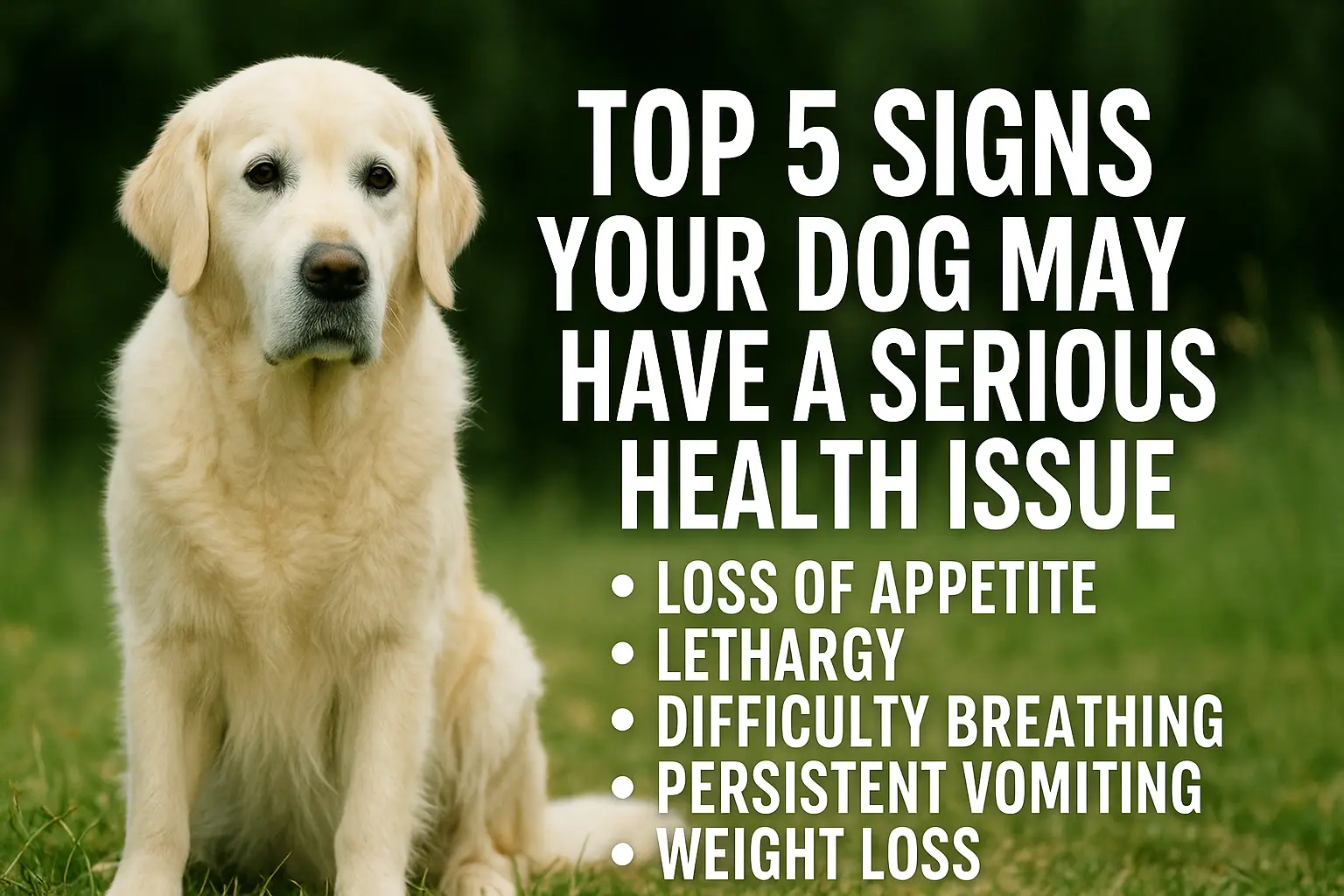
Top 5 Signs Your Dog May Have a Serious Health Issue
Dogs excel at concealing pain and discomfort. Unlike us they are unables to informs us when something is amiss so it is down to us as pet owners to notice the signs. Although not all symptoms indicate a serious illness, there are telltale signs that need to be never ignored.
Early detection of health problems can mean treatment versus recovery. Below are the top 5 signs your dog could have a serious health problem, what they could signify, and when to make an appointment with your vet.
Why Early Detection of Health Problems Matters
Preventions is better than cures: The earliers the detections the fasters and cheapers treatments tends to be.
Betters qualitys of life Problems managed healths dogs live betters.
Preventions of emergencies Identifications of the early warnings signs for the purpose of avoidings extremes life threatenings emergencies.
Peace of mind: Knowledge of the signs reassures you to respond as opposed to responding in an anxious state.
???? Internal Linking Proposal: If you have a blog article such as “How to Stop Separation Anxiety in Dogs Fast,” you might like to link it here for readers who are interested in overall canine health.
Top 5 Signs That Your Dog May Have a Serious Health Complication
1. Changes in Eating or Drinking Habits
It is possible that an unexpected reduction in the appetite or increase in the intake of water could be the sign of some underlying medical condition.
What to observes:
Not eatings or skippings meals
High rates of water intakes (polydipsias)
Sudden weights loss or gains
Potentials causes:
Loss of appetites may be caused by infections gastrointestinals diseases or cancer.
Excessive drinkings may be a sign of diabetes kidneys disease or endocrine diseases.
???? Tip Keeps an eye on your dogs normal eatings and drinkings habits. Even small changes can be excellent information for your vet.
2. Vomitings and Diarrheas
Minor stomach upsets happens from time to time but persistents vomitings or diarrheas is not goods.
What to look outs for:
Recurrents vomitings durings the days or for a few days
Diarrheas after 24 48 hours
Bloods mucus or unusual colors in the stools or vomits
Possibles causes:
Intestinals blocks
Parasites or infections
Ingestions of poisonous materials
Pancreatitis
⚠️ Warnings: Severe dehydrations can develops quickly with vomitings and diarrheas especially in puppies or seniors dogs. Always call your vets if it persists.
3. Difficulty Breathing or Coughing
Any changse in your dogs breathings should be respected.
What to watch for:
Wheezing, gagging, or persistent coughing
Shortness of breath or rapid labored panting when resting
Blue-colored gums (an indicator of low oxygen level)
Reasons why it might happen:
Respiratory illnesses like kennel cough or pneumonia
Heart disease
collapsed trachea (most common in the small breeds)
Allergic reactions
???? Suggestion for Internal Linking: If you had posted on “Best Dog Food Brands Recommended by Veterinarians,” you may be able to link here because diet does seem to have a role sto plays in overalsl hearts and lungs functions.
4. Changes in Mobility or Energy
Dogs will naturally slow down as they get older, but abrupt or extreme changes are an indication of underlying illness.
What to observe:
Limping or stiffness
Hesitation to stand, walk up stairs, or jump
Excessive tiredness or lack of energy at playtime
Restlessness or pacing at nighttime
Probable causes:
Arthritis or joint disease
Neurological illness
Heart disease
Pain from injury or underlying causes
???? Tip: Observe your dog’s mobility and activity. Alertings your vets to this can speeds diagnosis.
5. Sudden Bumps, Lumps, or Skin Changes
All lumps are not cancers yets all lumps cannot be dismisseds.
What to look out for:
New skin or subcutaneous mass
Changes in sizes shapes or colors of an existings lumps
Sores or wounds not healing
Redness, itching, or excessive hair loss
Possible causes:
Benign fatty lumps (lipomas)
Skin infection or abscess
Allergies
Malignant tumors
⚠️. Important reminder: It is very important to get diagnosed early. Most cancers can be manageds if diagnosed earlys.
Other Warning Signs to Be Aware of
Other than the top five, these are some other signs that something might be wrong:
Seizures or trembling
Over-grooming or licking
Bad breath, drooling, or eating difficulty
Sudden change in behavior (anxiety, aggression, confusion)
White gums or sign of anemia
When to Call the Vet Right Away
If your dogs has any of the followings calls your vest right aways:
Collapse or loss of consciousness
Vomiting and diarrhea that’s bloody
Difficulty breathing that’s severe
Seizures lasting more than a few minutes
Can’t stand or walk
???? Internal Linking Tip: If you write a blog post on “Emergency First Aid for Dogs at Home,” it would be incredibly useful to readers to link that here.
FAQs About Complications with Dog Health
1. How would I know if my dog’s behavior is normal or illness?
Get to knows your dogs normal habits eatings drinkings sleepings and playings. Any unusual change could mean there is something wrong.
2. Can anxiety or stress mimic disease in dogs?
Yes, stress can produce signs like loss of appetite or nausea, but physical causes first must be ruled out.
3. Must I weigh my dog on a regular basis?
Yes. Weight gain or loss without obvious reason usually suggests underlying disease.
4. Is each lump in dogs cancer?
No most are benigns but only a veterinarians can determines by laboratorys tests.
5. What is the most commons initials signs of illness in dogs?
Early signs are usually alterations in energy, appetite, or water consumption.
6. Is diet and lifestyle useful in avoiding sickness?
Yes, regular visits to the vet, eating healthily, and exercise all help toward good long-term health.
Conclusion
Beings with your dogs as a responsibles pets parents means beings with your dogs behaviors and healths. Some changes do not mean anything, but others can mean something serious.
The top 5 signs your dog can have a serious illness—change in food or water consumption, vomiting or diarrhea for multiple times, difficulty breathing, changes in mobility, and abnormal lumps or skin issues—have to always be taken into consideration.
Trust your gut. If something doesn’t feel right with your pup, always better to call your vet. Catching it early and catching it quickly can be the difference between the world and a lifetime of misery for your dog.